

Controlling Line Loss in PV Plants — Hidden Benefits of Proper PV Cable Selection & Installation
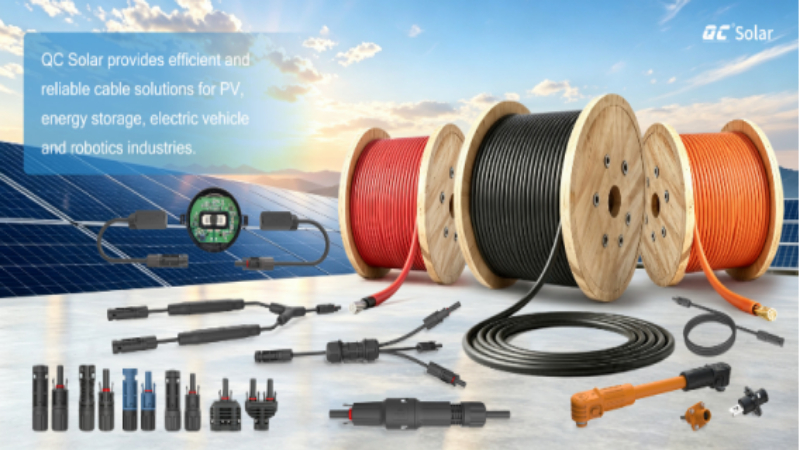
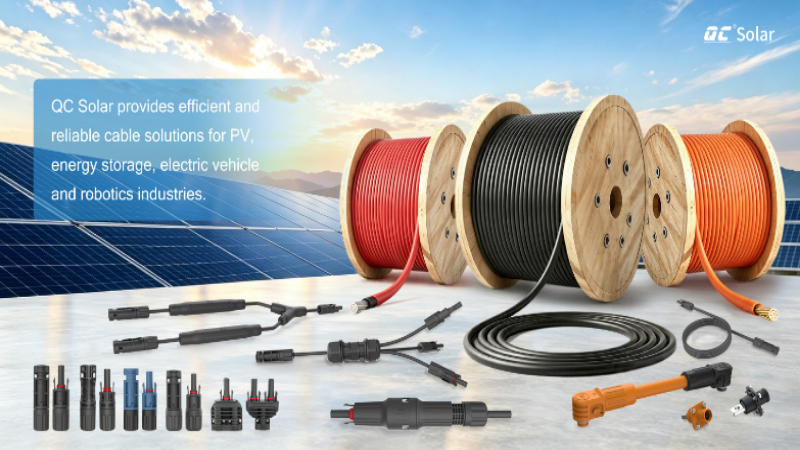
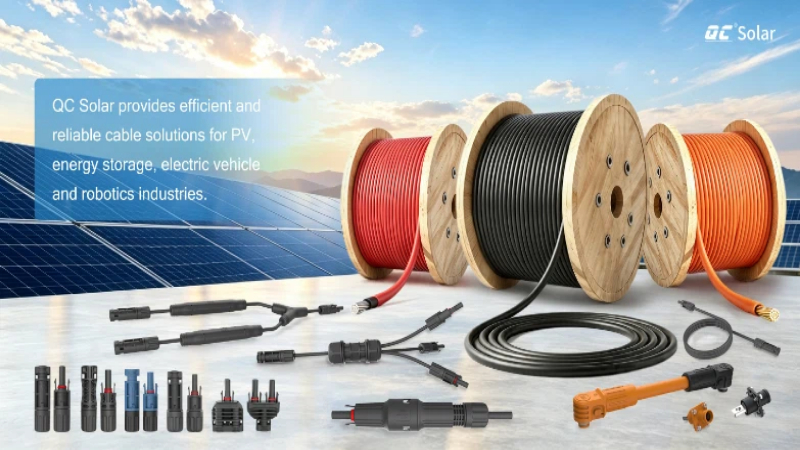
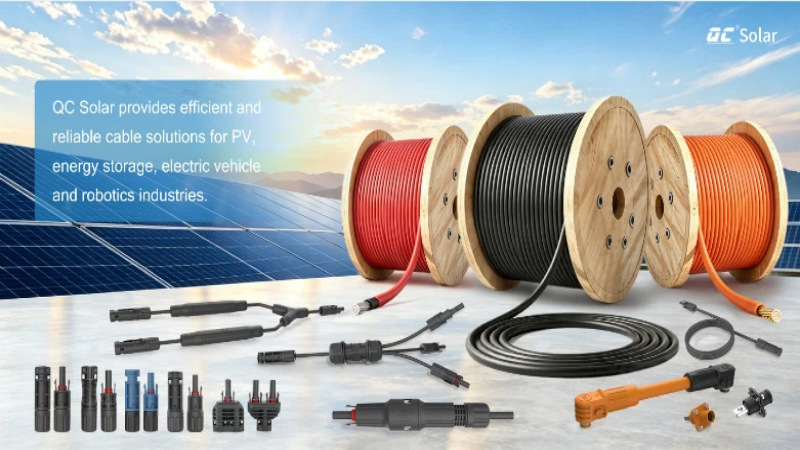
QC Solar (Stock Code: 301278), a Shenzhen-listed multinational with 21 years of experience, specializes in R&D and manufacturing, offering a comprehensive portfolio including solar PV and storage cables, cable harnesses, solar PV and storage Connectors, PV junction boxes, and PV rapid shutdown devices. With a global footprint spanning 67 countries, the company has established partnerships with multiple Global Top 500 New Energy Enterprises and operates manufacturing and sales service bases in the US, China, and Vietnam. For more information, please visit www.qc-solar.com.
Controlling Line Loss in PV Plants — Hidden Benefits of Proper Pv Cable Selection & Installation
Many solar owners and EPCs focus heavily on module efficiency and inverter performance to boost power generation, yet easily overlook a critical detail: DC cable line loss. Over the 25year lifecycle of a PV plant, improper cable selection, nonstandard laying or lowquality cables will cause continuous energy loss, silently dragging down project return on investment.
Line loss is mainly determined by conductor resistance, cable length and operating temperature. With the wide adoption of 1500V DC systems, longer string distances and centralized wiring make lineloss control more important than ever. A common industry pitfall is cutting initial capital expenditure by using undersized conductors or overly long wiring routes. Although upfront costs are reduced, cumulative power losses occur year after year, hurting longterm gains. Especially in hot summer conditions, rising conductor resistance further aggravates line loss.
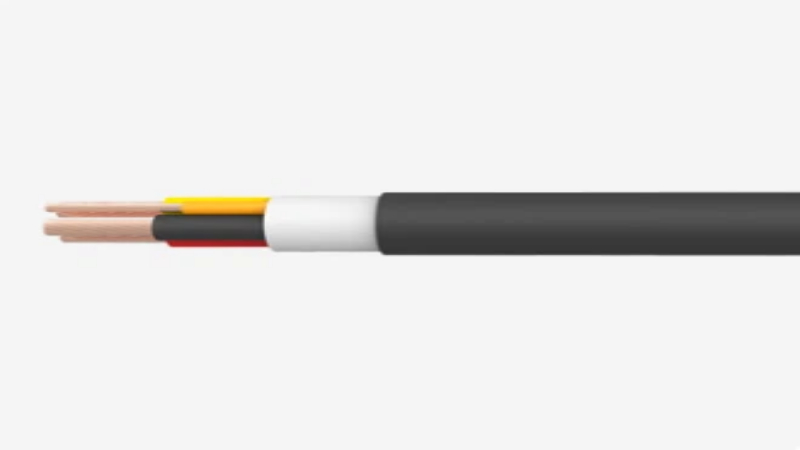
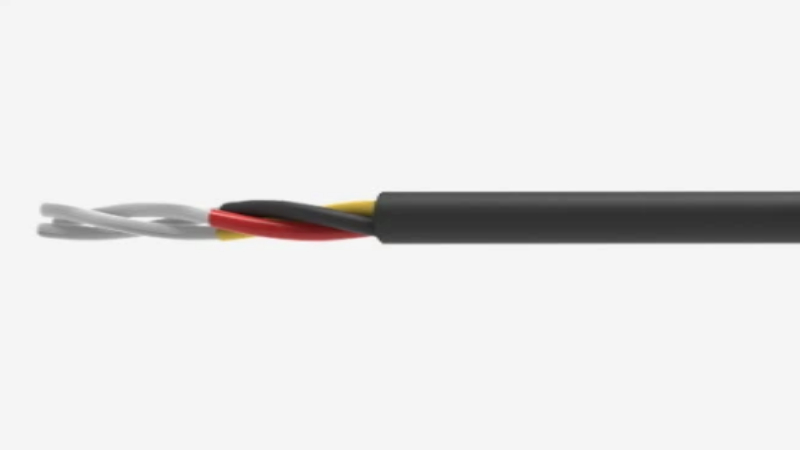
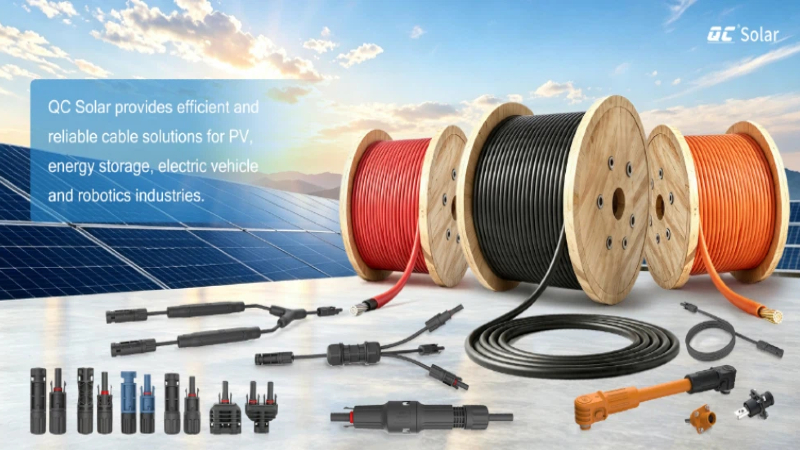
Accurate cable specification matching lies at the heart of loss control. For utilityscale ground stations, commercialindustrial rooftops and hilly PV projects, designers shall select suitable cable crosssections according to string current, laying distance and ambient temperature. Highquality irradiated XLPE PV cables deliver stable conductive performance and outstanding weathering and ageing resistance, keeping conductor resistance steady under longterm outdoor exposure and minimizing energy attenuation.
Beyond product selection, onsite construction standards also play a vital role. Excessively sharp bends, sustained compression, tight bundling and poor heat dissipation accelerate cable thermal ageing and raise line loss. Following standardized installation helps keep line loss within a reasonable range. For PV projects chasing stable longterm revenue, proper cable configuration and scientific laying management represent a lowcost, highreturn measure to safeguard power output and investment returns.