


Key Requirements for EV New Energy Vehicle Cables
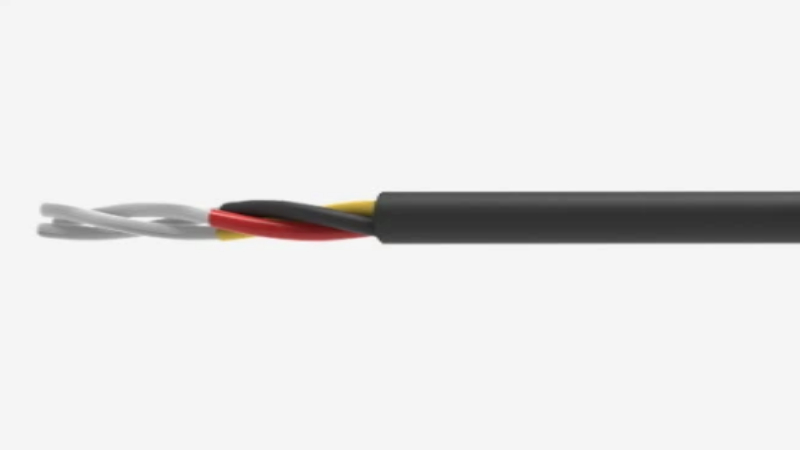
Electric vehicle (EV) cables, also known as electric vehicle cables, require high current and voltage handling, specialized insulation materials, and strict compliance with automotive safety standards.
Core Technical and Structural Requirements
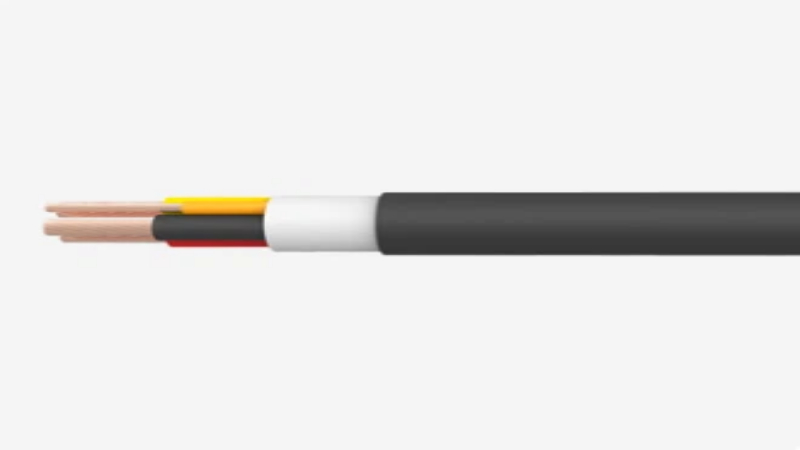
- Conductor Material: EV cables use ultra-fine stranded copper or copper alloys to ensure high conductivity and flexibility under mechanical stress
- High-Voltage & Current Capacity: High-voltage EV cables must support continuous and peak loads ranging from 12V to over 1000V AC/DC.
- Thermal & Material Resistance: Insulation and outer sheaths rely on materials like XLPE, silicone rubber, fluoropolymers (ETFE, FEP, PFA), or TPU to withstand high temperatures (up to 150°C–200°C+), oils, and abrasion.
- Shielding & Color Coding: High-voltage EV cables feature electromagnetic interference (EMI) shielding and are universally colored orange for safety identification.
Industry Safety Standards
- International & Automotive: Electric vehicle cables are designed to meet standards such as ISO 6469 for functional safety, ISO 6722 for road vehicle circuits, and ISO 19642 for high-voltage durability.
- Underwriter Laboratories (UL): EV charging cables and EV cables are governed by standards including UL 62, UL 758, and UL 2263 for flexible cords, appliance wiring, and EV cable specifications up to 1000V.
Classification and Standards for EV Cables
Electric vehicle (EV) charging cables are classified and regulated by international, regional, and material-specific safety standards that dictate their physical design, electrical capacity, and durability
| Standard | Description |
| IEC 61851 | Established by the International Electrotechnical Commission, this standard covers the overall charging system's communication and control protocols between the vehicle and the charger. |
| IEC 62196 | Defines the physical specifications for plugs, socket-outlets, vehicle Connectors, and vehicle inlets, such as Type 1 and Type 2. |
| EN 50620 | The primary European standard specifically governing electric vehicle charging cables. |
| IEC 62893 | An international standard series providing specifications for EV charging cables alongside EN 50620. |
| UL 2251 / UL 2263 | North American safety standards covering electrical safety, mechanical durability, and environmental resistance for EV supply equipment (EVSE) and charging cables. |
| J1772 | The North American standard for Ac Connector design and communication protocols. |
Common Materials for EV Cables
EV charging cables rely on specialized thermoplastic and thermoset materials combined with strict regional and international standards to handle high voltages, continuous currents, and extreme weather.
- TPU (Thermoplastic Polyurethane) / PUR: Widely used in Europe and favored for outer jackets due to its excellent flexibility, mechanical strength, and abrasion resistance.
- TPE (Thermoplastic Elastomer): Popular in North America for both insulation and outer jackets, offering easy processing, flexibility, and excellent resilience.
- PVC (Polyvinyl Chloride) / HNBR: Frequently used in China as a cost-effective solution, providing good flexibility, softness, and a comfortable tactile feel.
- XLPE / XLPO (Cross-Linked Polyolefin): Commonly used for high-voltage internal vehicle wiring and durable EU charging cable insulation due to its excellent thermal stability and electrical performance.
- Rubber Compounds (CR, CPE, EPR, EPDM): Thermoset materials that provide excellent crack resistance, oil resistance, and reliable performance in demanding outdoor environments.
With expertise in cable solutions and material selection, QC Solar provides reliable EV cable solutions designed to meet demanding application requirements. Contact QC Solar today to discuss your EV cable needs and find the right solution for your project.