


Technical Requirements for Cables Used in Energy Storage Systems
An Energy Storage Cable is a specialized electrical conductor designed to safely transmit high-current DC and AC power, as well as control signals, within energy storage infrastructure. Unlike conventional power cables, cables used in BESS must withstand demanding electrical, thermal, mechanical, and environmental conditions. From battery modules and power conversion systems to containerized energy storage units, selecting cables with the right technical characteristics is essential for system safety, efficiency, and long-term reliability.
Key Features of Battery Energy Storage Cables
Cables used in battery energy storage systems need to handle high electrical loads while remaining reliable under demanding operating conditions. Several technical characteristics are particularly important:
- High Voltage and Current Capacity: Designed for high-voltage DC applications, commonly up to 1.5–2 kV, with sufficient current capacity for connections between battery racks, combiner boxes, and power conversion systems (PCS).
- Durable Insulation: XLPO and XLPE insulation are widely used for their good dielectric strength, heat resistance, and long-term stability compared with conventional PVC insulation.
- Heat Resistance: Depending on the cable design, continuous operating temperatures can reach 90°C–125°C, helping the cable withstand heat generated during frequent charging and discharging.
- Environmental Protection: Outer sheaths can be formulated to resist UV exposure, moisture, corrosion, and contact with chemicals or cooling fluids commonly found around battery systems.
- Flexibility and Fire Safety: Fine-stranded copper conductors make installation easier in compact battery enclosures. LSZH and flame-retardant sheath materials can also help reduce smoke and hazardous gas emissions in enclosed areas.
Relevant Industry Standards
Depending on the target market and application, battery storage cables may be manufactured and tested according to standards such as TÜV 2PfG 2693 and applicable UL standards, covering areas including electrical performance, thermal aging, chemical resistance, and fire safety.
Structural Requirements for Energy Storage Cables
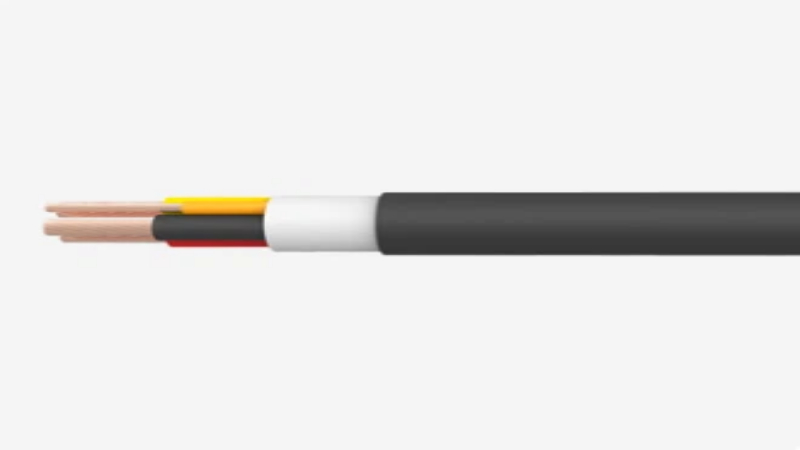
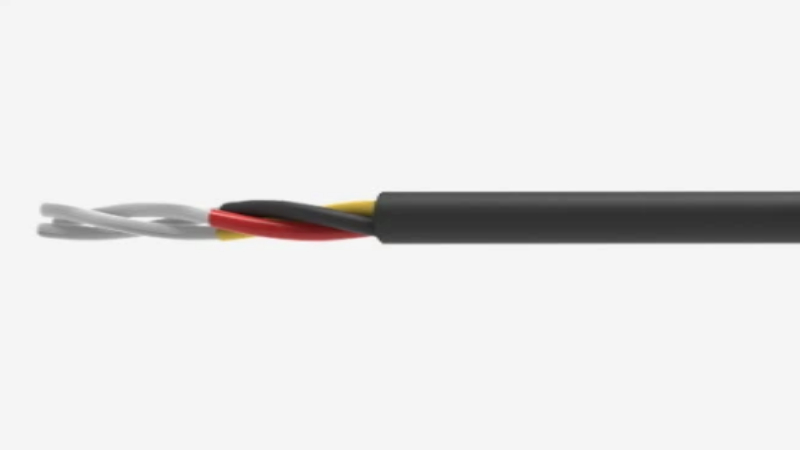
Energy Storage Cable typically consist of a conductor, insulation layer, optional shielding, and outer sheath. Each layer serves a specific purpose, from carrying high current to protecting the cable from heat, mechanical stress, and environmental exposure.
- Conductor Structure
- Material Selection: High-purity copper or tinned copper conductors are commonly used. Tinning helps reduce oxidation in humid, high-temperature, or chemically exposed environments.
- Stranding Design: Fine-stranded copper wires provide better flexibility and bending resistance, making installation easier in the limited space of battery enclosures.
- Insulation Structure
- Material Requirements: XLPO, silicone rubber, and other halogen-free flame-retardant materials are often selected for their heat resistance, electrical insulation, and aging performance.
- Thickness and Uniformity: Consistent insulation thickness is important for maintaining reliable insulation under high DC voltages, including 1500V and above.
- Shielding Structure
Braided or Wrapped Shielding: Where electromagnetic interference (EMI) is a concern, tinned copper shielding can be added to help protect BMS signals and other sensitive circuits from interference generated by PCS equipment.
- Sheath Structure
- Material and Protection: The outer sheath should provide resistance to UV, ozone, oil, abrasion, and flame.
- Integrated Design: Some cables combine power conductors with BMS sensing wires in a compact structure, helping simplify routing and save space inside the energy storage system.
Testing Requirements for Energy Storage Cables
The testing requirements for cables used in battery energy storage systems (BESS) are mainly based on industry standards, such as Battery Connection Cables for Electric Energy Storage Systems, as well as relevant electrical specifications. The testing process covers four major areas:
- Electrical Performance Testing
- DC Conductor Resistance: Measures the resistance of the cable conductor to ensure it remains within the specified range and provides efficient current transmission.
- Voltage Withstand Test: AC or DC high-voltage tests are performed, such as for systems with a maximum operating voltage of DC 1500V, to evaluate insulation strength and resistance to electrical breakdown.
- Insulation Resistance Test: Checks the insulation resistance of the cable under normal and elevated temperature conditions.
- Mechanical and Physical Performance Testing
- Tensile Strength and Elongation at Break: Evaluates the mechanical strength and flexibility of insulation and sheath materials when subjected to tensile stress.
- Thermal Aging Test: Air-oven aging tests simulate the high-temperature conditions inside energy storage systems and assess the resistance of cable materials to embrittlement and degradation under continuous temperatures such as 125°C.
- Thermal Extension and Tear Resistance: Examines deformation of insulation and sheath materials at elevated temperatures and their resistance to mechanical tearing.
- Environmental and Chemical Resistance Testing
- Chemical Corrosion Resistance: Cables may undergo specific acid or electrolyte immersion tests to evaluate the resistance of the outer sheath to chemicals that may be present around battery systems.
- Weather and Salt Spray Resistance: Tests the cable's ability to withstand aging, UV exposure, and salt spray corrosion in outdoor or harsh environments.
- Flame and Fire Safety Testing
- Flame Retardancy: Single-cable vertical burning and bundled-cable flame tests are conducted to assess resistance to flame propagation.
- Low Smoke and Halogen-Free Performance: Evaluates smoke density, halogen acid gas release, pH value, and conductivity to improve safety in enclosed spaces or areas occupied by personnel.
Conclusion
Choosing the right cable is an important part of building a safe and reliable battery energy storage system. From conductor design and insulation materials to electrical, mechanical, and environmental testing, each detail can affect cable performance in real-world applications.
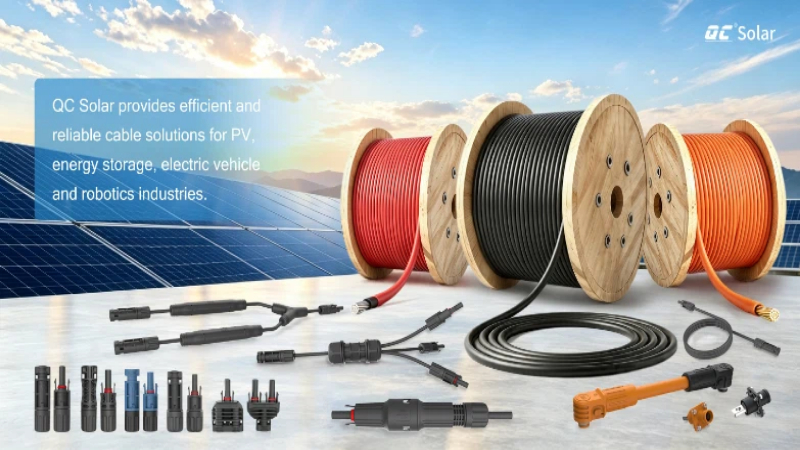
Qc Solar provides cable solutions for energy storage applications, with a focus on reliable materials, consistent manufacturing, and application-specific requirements. If you are selecting Energy Storage Cable for a new BESS project or looking for a cable solution that matches your system requirements, contact QC Solar to discuss your application and cable specifications.