

Tracker-mounted PV plants: root causes of cable failures under repeated flexing and mitigation solutions
QC Solar (Stock Code: 301278), a Shenzhen-listed multinational with 21 years of experience, specializes in R&D and manufacturing, offering a comprehensive portfolio including solar PV and storage cables, cable harnesses, solar PV and storage Connectors, PV junction boxes, and PV rapid shutdown devices. With a global footprint spanning 67 countries, the company has established partnerships with multiple Global Top 500 New Energy Enterprises and operates manufacturing and sales service bases in the US, China, and Vietnam. For more information, please visit www.qc-solar.com.
Tracker-mounted PV plants: root causes of cable failures under repeated flexing and mitigation solutions
Single-axis solar trackers deliver notable energy gains. Nevertheless, Pv Cables routed around rotating pivot points rank among the top failure points for tracker-based power stations. Trackers swing repeatedly by ±45°-60° every day, accumulating tens-of-thousands flexing cycles per year. Cables endure continuous bending, torsion and friction against metallic structures. Many sites suffer latent damage: intact outer sheaths hide broken fine conductor strands inside. This triggers partial discharge and DC ground faults, yielding energy losses and higher OPEX.
Failures stem mainly from three factors. First, improper product selection. Conventional static-installation PV1-F cables are optimised for stationary outdoor service, without enhancements for cyclic dynamic fatigue. Repeated flexing readily snaps conductor filaments. Second, poor installation workmanship: insufficient bending radii, lack of stress relief and taut cable routing introduce persistent tensile strain during tracker movement. Third, compounded outdoor degradation: sand-dust abrasion and UV exposure reduce sheath flexibility and accelerate fatigue cracking.
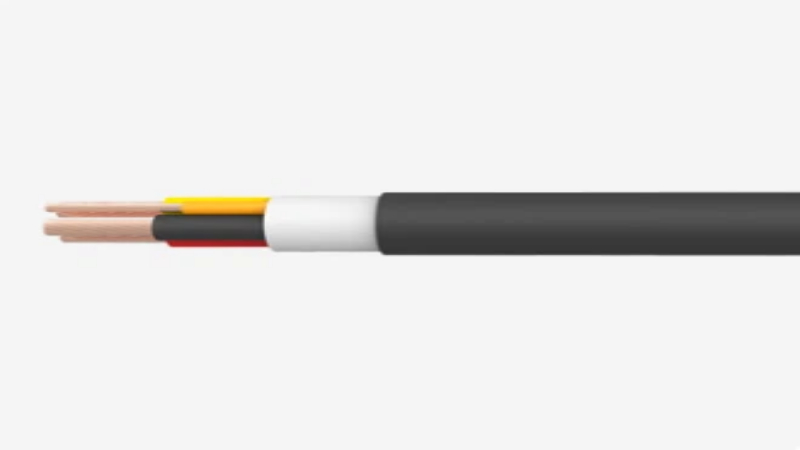
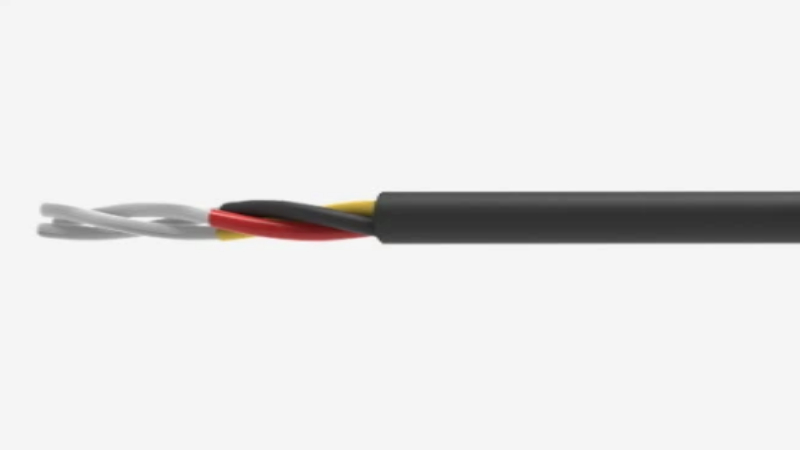
Mitigation must cover product selection, site installation and routine O&M. For moving pivot segments, deploy high-flexibility dynamic-rated PV cables featuring Class-6 extra-fine stranded conductors and abrasion-modified sheaths validated for 100?000-cycle bending tests. Install cables with adequate slack to eliminate tension, comply with minimum bending-radius specifications and fit anti-kink / anti-twist protective accessories to prevent direct metal-to-sheath rubbing. During inspections, prioritise pivot-zone cables for early detection of sheath cracking and distortion. Tracker-based plant reliability over its 25-year lifetime depends not only on modules and trackers, but also on properly specified cabling for dynamic sections.